Sewing: Minimal waste sewing and the "pirate's shirt"
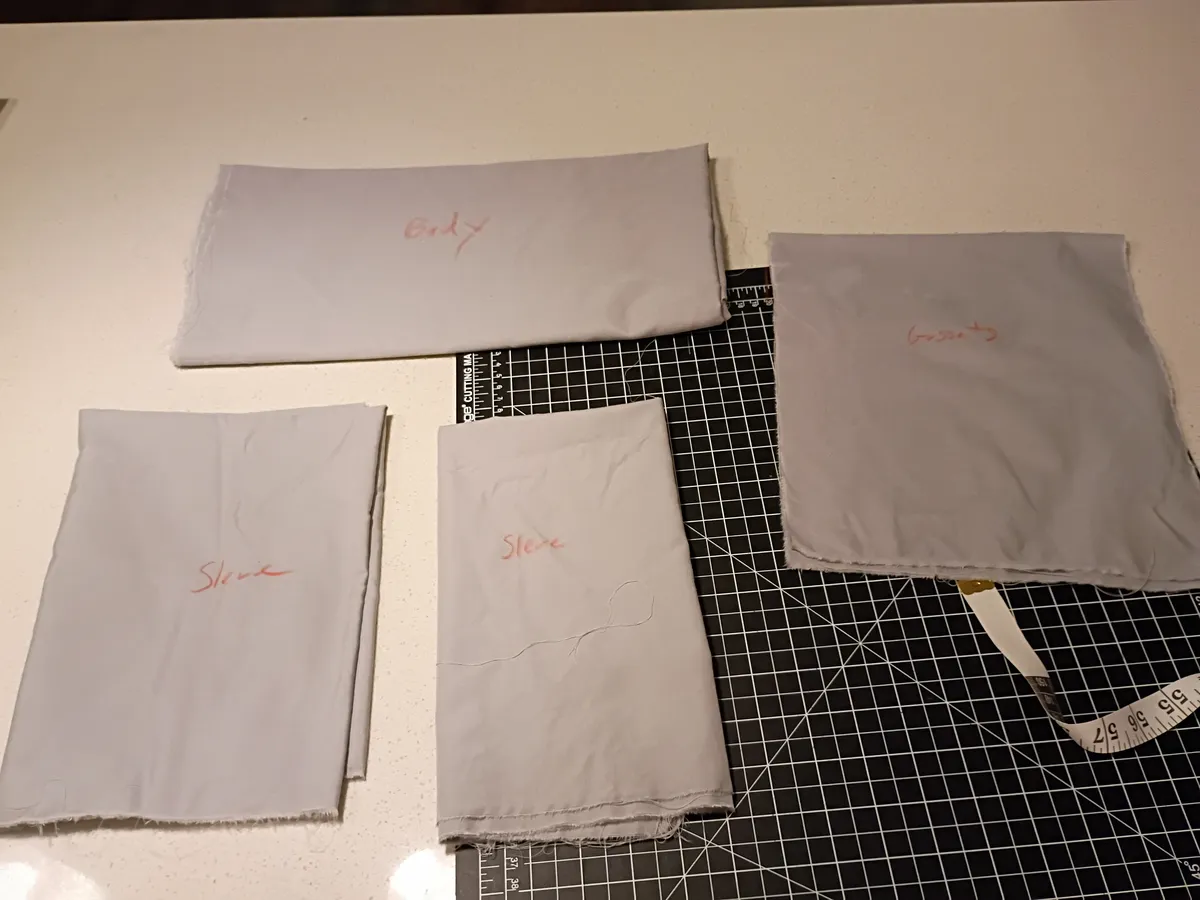
For a while I've been interested in historic and self-drafted sewing. And I feel like I need to take a short break from the modern Simone/Simon design to bang out something hopefully easier. Over the week I redrafted Simone with new measurements (the fifth prototype) and needed to make another set of adjustments.
There are a number of things that draw me to historic design. For a lot of garments, the construction is built from simple squares and rectangles following zero or minimal waste principles. Prior to the industrial revolution, textiles were among the most expensive household commodities. Clothing and bedding were inventoried along with precious heirlooms.
Drafting clothing based on simple squares, rectangles, and their diagonals has a number of advantages not found in modern clothing construction. Square and rectangular waste cloth is easier to incorporate into other projects through mending or patchwork. Modifying modern designs requires adjusting complex curves. And the construction techniques are relatively easier for home-trained or self-trained sewers.
That's not to say that complicated curves were unknown in fashion before the industrial revolution. But the humble shift and undershirt which were most utilitarian and frequently laundered appears to have often been made with zero or minimal-waste patterns.
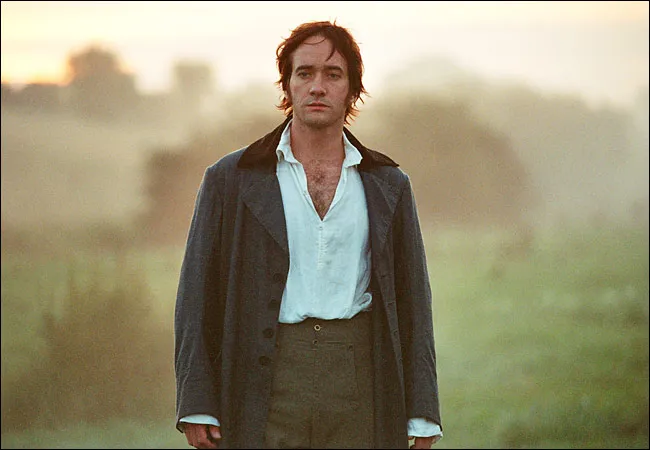
On a personal level, I think starting with the basic building blocks of a shirt or pants in their simplest geometric forms can be a step toward learning more complex fitting patterns. The "pirate's shirt" is a bit like the "Hello World" of shirt construction.
The downside to this design technique is fit. Curved and tapered seams conform to the body shape better. However what works for one person's body can be laughably wrong for another person. If your body is well away from the median, (often the case for many trans people) it's very hard to find a good fit from mass-produced clothing. Doing a deep dive into DIY is partly about finding a way to make and maintain well-fitting clothes.
If I'm going to be seen as weird anyway as trans person, why not go all in with clothes closer to my principles. I'm still evaluating those tradeoffs.
Video tutorials: